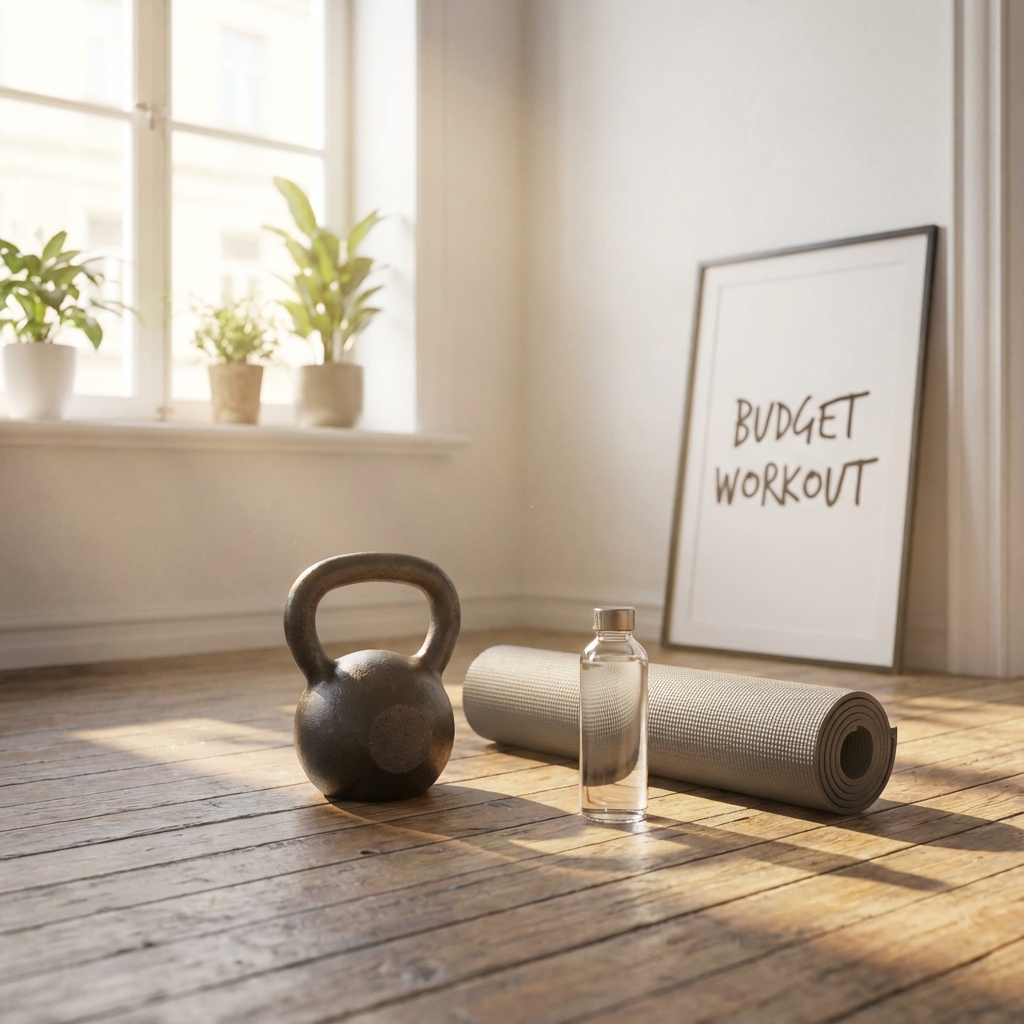
Complete Home Gym Setup Guide for Small UK Apartments 2026
Why Home Gyms Work for UK Flats
We've all been there: debating whether to trek to the gym in the gloomy British rain. With the average UK gym membership costing £50/month (that's £600 a year), a home setup pays for itself in just six months. But in a typical 45-75 sqm UK flat, space is the enemy.
This guide isn't about simply buying equipment; it's about reclaiming your time and health within constraints. We don't recommend garage-sized power racks for a third-floor London walk-up. We focus on High-ROI (Return on Investment) equipment that packs away into a cupboard or under a bed. We've optimized specifically for soundproofing (to keep your downstairs neighbours largely unaware of your existence) and damp prevention (because rusty iron is heart-breaking).
Whether you have a spare box room or just a corner of your living room, this guide covers every budget level from a £100 starter kit to a premium £1000+ sanctuary.
Budget Tier 1: £100 Essential Starter
The "No Excuses" Package
For the price of two months' gym membership, you can build a versatile setup that fits in a shoe box. This isn't about compromise; it's about efficiency. This setup requires just 2m x 2m of floor space.
Detailed Equipment List
- Resistance Bands Set (£20-25): The highest value tool you can own. Replaces cable machines, allows for 100+ exercises (rows, presses, curls), and weighs nothing. Look for a set with a door anchor. Read our review.
- Yoga Mat 6mm (£18-22): Essential for floor protection and noise reduction. Don't go thinner than 6mm on hard laminate floors or you'll bruise your spine during core work. Read our review.
- Adjustable Dumbbells 2-10kg (£30-40): A basic spinlock set or fixed hex dumbbells allows for progressive overload on smaller muscle groups (shoulders, arms). Read our review.
- Jump Rope (£8-12): The ultimate cardio tool. Burns more calories than running and requires minimal space. Great for warming up in a cold flat.
- Door Pull-Up Bar (£12-18): Hits the back and biceps like nothing else. Fits standard UK door frames (76-81cm). Essential for posture. Read our review.
What You Can Achieve
This kit allows for a full-body workout. You can build athletic muscle, improve cardiovascular health, and melt fat. The only limitation is maximum leg strength, as you won't have heavy enough weights for low-repetition squats.
Storage & Logistics
Everything listed here fits in a single gym bag or a small storage box under your bed. Setup time is under 60 seconds.
Budget Tier 2: £300 Well-Equipped
The "Serious Gains" Package
Add these items to Tier 1 to unlock serious muscle building potential. This setup bridges the gap between 'fitness' and 'bodybuilding'.
Add These Items:
- Heavier Adjustable Dumbbells 10-24kg (£75-90): You will outgrow 10kg quickly. A heavier set allows for real leg and chest growth. See scalable options.
- Kettlebell 12kg or 16kg (£28-35): Perfect for explosive movements (swings, cleans) and conditioning which dumbbells can't match. It adds a dynamic power element to your training. Best beginner kettlebells.
- Foam Roller 33cm (£18-25): Recovery is training. Essential for rolling out tight muscles after desk work or heavy sessions. Top rollers.
- Foldable Weight Bench (£55-70): Unlocks bench press, rows, and seated shoulder work. Look for one that folds flat to 15cm to slide behind a door or under a sofa.
Space Impact
You still only need 2m x 2m to train, but you now need storage space for the bench (folded) and the kettlebell. A corner of a room or a small cupboard is sufficient.
Who Is This For?
Intermediate trainees who want to build visible muscle mass and strength without dedicating an entire room to a gym.
Budget Tier 3: £500 Complete Home Gym
The "Gym Killer" Package
At this level, you can rarely need to visit a commercial gym. You have tools for strength, hypertrophy, power, and stability.
Add These Items:
- Heavy Loop Bands (£35-45): Thick rubber bands for assisted pull-ups and heavy squats. They add accommodate resistance to your dumbbell work.
- Ab Wheel & Knee Pad (£15-20): The gold standard for core strength. Harder and more effective than crunches.
- Suspension Trainer (TRX style) (£40-60): Uses your bodyweight for hundreds of exercises. Hangs on the door. Great for stability and core integration.
- Interlocking Foam Tiles (£35-50): Critical for noise reduction in flats. Define your workout zone and protect your deposit. Flooring guide.
- Parallettes (£25-35): Save your wrists during press-ups, L-sits, and handstand work.
Professional Setup
With the flooring down and the bench set up, this feels like a dedicated training space. It motivates you to train harder. The suspension trainer adds a whole new dimension of functional training.
Budget Tier 4: £1000+ Premium Setup
The "Compromise-Free" Package
At this level, you can replicate high-end commercial gym functionality. This setup usually requires a spare room or significant dedicated garage space.
The Heavy Hitters:
- Power Rack or Squat Stand (£200-350): Essential for heavy squatting and benching safely alone. Look for 'short' racks if you have low ceilings.
- Olympic Barbell + Bumper Plates (£250+): The gold standard for strength. Requires specific flooring (20mm+ rubber).
- Adjustable Bench with Leg Attachment (£150-200): Allows for decline work and leg extensions/curls.
- High-End Adjustable Dumbbells (£350+): Sets like PowerBlock or Nuobell that feel like fixed steel weights. Premium comparison.
Considerations
Floor Load: Check with a structural engineer for upper floors if going over 300kg total localized weight. Noise: Deadlifts shake standard UK timber joist floors; this is best for concrete ground floors or garages.
Space Planning for UK Homes
Layout Examples
1. Studio Flat (25-35 sqm)
Use the corner of your main living area. Dedicate a 2m x 2m zone. Push furniture back during workouts. Store resistance bands, mat, and adjustable dumbbells under the bed (clearance 15-20cm). Use over-door hooks for the pull-up bar. Total footprint when stored: 0.5 sqm.
2. One-Bedroom Flat (45-55 sqm)
Dedicate a 'Power Corner'. Keep foam tiles permanently down in a 1.5m x 2m area if possible—it acts as a visual trigger to train. Use an Ottoman to hide weights inside, doubling as seating.
3. Spare Bedroom Conversion
The luxury option. Center your bench or mat. Use vertical wall storage for mats and bands. If renting, use freestanding shelving units instead of drilling walls. Ensure the room is well-ventilated to prevent damp build-up from sweat.
4. Living Room Corner
Choose a corner by a window for natural light (vital for mood). Use attractive wicker baskets to store small equipment so it looks like decor. Setup time: 2 minutes (pull out bench, grab weights).
Dimensions & Furniture: Standard yoga mats are 1.8m long. Allow 30cm clearance around your 'wingspan' for safety. Multi-use furniture like storage pouffes are your best friend.
UK-Specific Considerations
Noise Reduction (Critical for Flats)
Equipment Choices: Resistance bands, yoga mats, and light dumbbells are silent. Avoid heavy iron plates or slam balls on upper floors. "Silent" magnetic spin bikes are great cardio options.
Flooring Solutions: Interlocking foam tiles (20mm) absorb 60-70% of impact noise. Cheap yoga mats do almost nothing for noise. For serious jumping, layer a high-density equipment mat over foam tiles.
Neighbor Etiquette: Avoid workouts between 10pm-8am. Communicate with downstairs neighbors about your schedule. A friendly warning goes a long way!
Structural & Rental Issues
Floor Load Limits: Most UK residential floors are designed for ~150kg/sqm. A 100kg person holding 40kg dumbbells is fine. A 300kg power rack + 150kg plates + user might exceed this on old joists. Check your lease for extensive weight clauses.
Deposit Protection: Never drag a bench across laminate. Always lift it. Use felt pads on everything. Don't drill holes for pull-up bars unless you can fill and paint them perfectly.
Climate & Environment
Condensation: UK homes suffer from damp. Metal equipment (cast iron) will rust rapidly. Store weights in dry areas (not sheds/garages unless heated). Use silica gel packets in storage boxes. Wipe down metal after every sweaty session.
Temperature: Garages can be 5°C in winter. Cold metal bars increase injury risk. Warm up thoroughly (10 mins). Consider wearing gloves or using grip pads for freezing dumbbell handles.
Delivery Logistics
Check door widths! Some benches come in wide boxes. If you live in a top-floor flat without a lift, be prepared to unpack the box in the lobby and carry pieces up individually. Sweatband and Amazon usually deliver to the front door, not the room of choice.
Storage Solutions That Actually Work
Under-Bed Storage
Perfect for resistance bands, yoga mats, and flat dumbbell cases. A 15cm height clearance is usually enough.
Vertical Advantage
Over-Door Hooks: Use a coat rack hook for hanging bands, jump ropes, and suspension trainers. Keeps them untangled and ready.
Freestanding Trees: A vertical dumbbell tree takes up a tiny 30cm x 30cm footprint but holds 6 pairs of weights. Much better than a long horizontal rack.
Hidden in Plain Sight
Storage Ottomans: A sturdy ottoman can hold kettlebells and dumbbells while serving as a seat. Ensure it has a reinforced bottom!
The "Gym Cupboard": Dedicate one shelf in your wardrobe. Use clear plastic tubs labels "Bands", "Recovery", "Weights" to keep it organized. Chaos kills motivation.
Equipment Priority Matrix
Use this decision matrix when you have limited budget:
Buy First (Best ROI):
- Resistance Bands (10/10): Cheap, versatile, portable.
- Yoga Mat (9/10): Essential for every session.
- Light Dumbbells (9/10): The foundation of strength.
Buy Second (High Impact):
- Door Pull-Up Bar (8/10): Unsurpassed back builder.
- Kettlebell (8/10): Dynamic power & conditioning.
- Foam Roller (7/10): Essential maintenance.
Buy Third (Nice to Have):
- Weight Bench: Adds variety but takes space.
- Heavier Weights: Necessary eventually for progression.
Never Buy:
- Ab Belts/Toning Pads: Proven ineffective.
- Cheap Multi-Gyms (<£300): Wobbly, dangerous, hard to assemble.
- "As Seen on TV" Gadgets: Thigh masters, shake weights. Just do squats.
Common Mistakes to Avoid
- Buying Too Much Too Soon: Start with Tier 1 (£100). Only upgrade after 3 months of consistent use. A cluttered room creates anxiety, not gains.
- Wrong Weights for Level: Ego lifting is dangerous at home alone. You can't lateral raise 15kg. Start light to master form. 10kg is plenty for most beginners.
- Ignoring Measurements: Measure twice. Check door widths for delivery boxes. Check ceiling height for overhead pressing (need ~2.2m+ for standing press).
- Cheapest Isn't Best Value: Avoid £10 bands that snap. Mid-range (PTP, Viavito) is the sweet spot for safety and durability.
- Not Planning Storage: If you have to spend 15 minutes setting up, you won't workout. Equipment should be accessible in 60 seconds.
- Forgetting Delivery/Returns: Heavy items cost a fortune to return. Check the policy. Amazon Prime is safer than obscure sites for this reason.
- Neglecting Flooring: One dropped weight can cost your deposit. Foam tiles are essential insurance for both noise and damage.
Maintenance and Care
Weekly: Wipe down equipment with antibacterial spray after use to prevent smells. Check bands for small tears (precursors to snapping). Tighten bolts on benches as they loosen with vibration.
Monthly: Deep clean yoga mat (soak or vinegar spray). Check cast iron for rust spots—apply a tiny amount of 3-in-1 oil if needed. Wash fabric bands in cold soapy water.
UK Climate Care: In winter, moisture is the enemy. Use a dehumidifier if drying clothes in the same room. Rust never sleeps.
Lifespans:
- Resistance Bands: 1-2 years (replace when dry/cracked).
- Yoga Mats: 2-5 years (replace when grip fades).
- Iron Weights: Lifetime (if kept dry).
Shopping Strategy
When to Buy
January Sales: Great for bundles, but stock runs low.
Black Friday: Best for big ticket items like Adjustable Dumbbells or Benches.
Summer: Ironically good for indoor kit as everyone goes outside.
Where to Buy (UK)
Sweatband: Our partner. Excellent service, UK based, reliable delivery. Good for PTP/Viavito/Adidas.
Argos: Immediacy. Good for 'Opti' starter kits. Click and collect is handy for weights (saves delivery info).
Facebook Marketplace: Goldmine for "used once" equipment. Cast iron weights never break—buy them used and clean them up.
Budget Approach
Buy your Tier 1 kit new (hygiene for mats/bands). Buy Tier 2 adds (bench/heavy weights) used if possible. Always spend money on the things that keep you safe (bench sturdiness, band quality).
Complete Shopping Checklist
Copy this list for your Tier 1 + 2 Shopping:
Essential (Tier 1)
- Yoga/Exercise Mat (6mm+)
- Resistance Band Set (Tube with handles)
- Dumbbells (Adjustable or 3 pairs fixed)
- Door Pull-Up Bar (Check door width!)
- Speed Rope
Recommended (Tier 2/3)
- Foldable Bench
- Kettlebell (12/16kg)
- Foam Roller
- Foam Floor Tiles (pack of 4-6)
Getting Started: Week 1 Plan
Don't just buy the kit—commit to the first week.
- Day 1: Order Equipment. clear your chosen 2m x 2m space.
- Days 2-4: Education. Watch YouTube tutorials on "Dumbbell Goblet Squat", "Band Rows", "Plank Form".
- Day 5: Unboxing. Check everything arrived. Test the pull-up bar fit. Setup the mat.
- Day 6: The "Light" Workout. Do 20 mins testing every piece of kit. minimal weight. Focus on how it feels.
- Day 7: Recovery & Planning. How are your muscles? Schedule your 3 sessions for next week.
Links to Reviews: Check our detailed reviews for Resistance Bands, Dumbbells, and Yoga Mats to make the right choice.
Frequently Asked Questions
How much space do I strictly need?
Strict minimum is 2m x 2m. If you can lie down with arms outstretched (about 1.8m width) and not touch a wall, you have enough space to train effectively.
Will home training annoy my neighbours?
It can. Jumping (burpees) and dropping weights creates impact noise that travels through timber joists. Use thick foam mats, avoid jumping late at night (past 9pm), and control your weights on the way down.
Can I really build muscle at home?
Absolutely. Muscles respond to tension, not location. Whether that tension comes from a £30 band or a £3000 machine, the biological growth process (hypertrophy) is identical.
What if I live in a rented flat?
Stick to freestanding or door-frame equipment. Use furniture sliders to prevent floor scratches on laminate. Store equipment in plastic tubs during landlord inspections.
Is damp a problem in the UK?
Yes. Unheated garages are rust factories. Cast iron weights will turn orange in weeks. Keep your gym zone ventilated, and wipe down metal kit after use. Consider a dehumidifier.
Is £100 really enough?
Yes. Our Tier 1 setup covers every movement pattern (Squat, Hinge, Push, Pull, Carry). You might eventually need more weight, but £100 gets you started for 6-12 months.
Can I do cardio in a small space?
Yes. High-intensity circuits (AMRAPS), skipping (if ceiling height permits - watch out for light fittings!), and shadow boxing get your heart rate up without a treadmill.
Should I get a treadmill or bike?
Only if you have significant space. In a flat, they become 'expensive clothes hangers'. We recommend running outside (it's free) and using home space for strength.
Living room or spare room?
Spare room is best (separation of chill/work). Living room is fine, but you MUST have a storage plan so your home doesn't look like a PureGym explosion.
Best flooring for rental?
Interlocking foam tiles. They float on top of carpet or laminate, protect the floor, reduce noise, and pack away in a stack when you move.