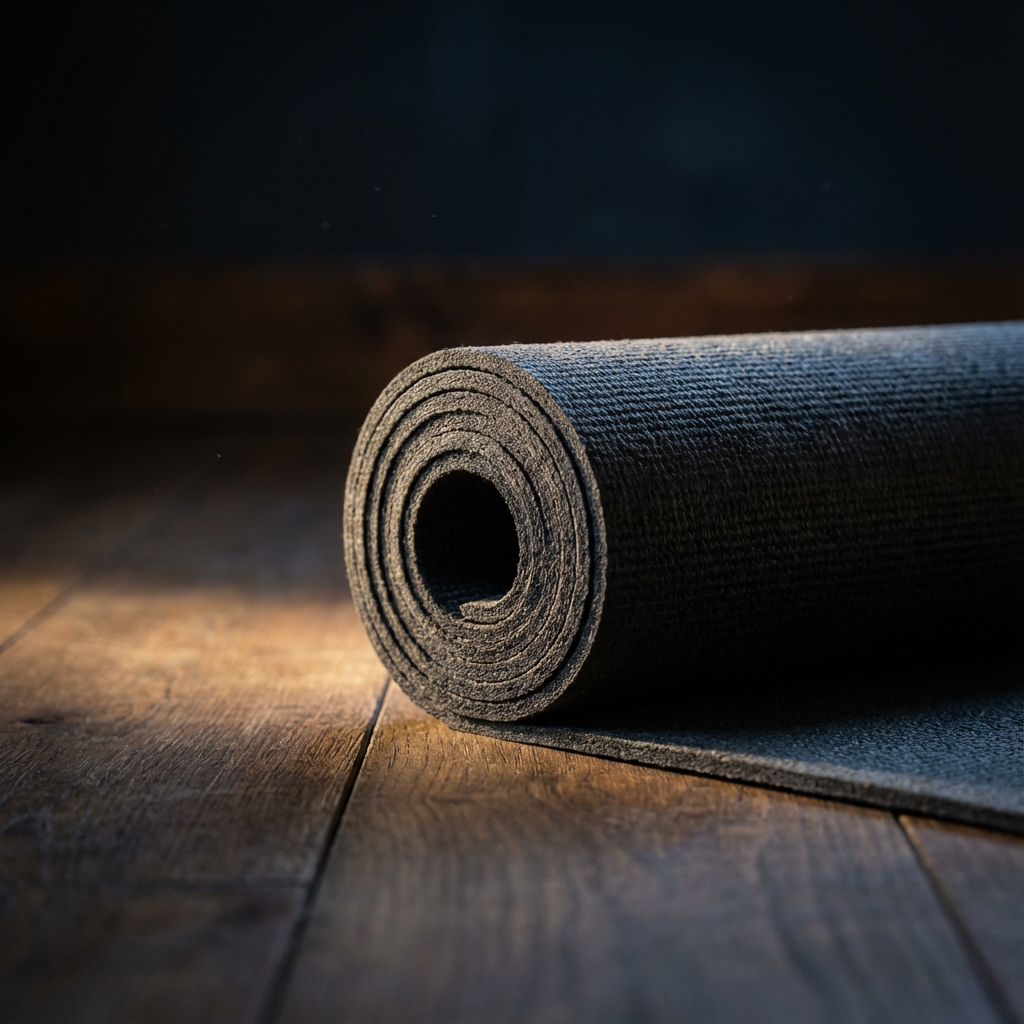
Best Yoga Mats UK 2026
The Foundation of Home Workouts
A good mat is the difference between sliding around in downward dog and feeling completely grounded. We tested standard yoga mats for flow and grip, plus heavy-duty floor protection mats for those who need a semi-permanent practice space in their garage.
Viavito Asuryama 4mm Yoga Mat
- •Alignment lines help beginners
- •Good blend of grip and cushion
Viavito Asuryama 4mm Yoga Mat
- •Alignment lines help beginners
- •Good blend of grip and cushion
Quick Comparison
| Product | Price | Best For | Rating | Link |
|---|---|---|---|---|
| Viavito Travel Yoga Mat | £10.00 | Best Travel | 4.6/5 | Check Latest Price |
| Viavito Asuryama 4mm Yoga Mat | £11.99 | Best Overall | 4.7/5 | Check Latest Price |
| Reebok Floor Protection Mat | £39.00 | Best Durable | 4.5/5 | Check Latest Price |
1. Viavito Travel Yoga Mat
Pros
- Folds to A4 size
- Weighs under 1kg
- Machine washable
- Grippy texture
Cons
- Very thin (only for carpet/travel)
- No cushioning for knees
- Can bunch up during practice
Our Review
Weighing next to nothing and folding down to the size of a newspaper, this mat addresses the primary pain point of the commuting yogi. While thinner than studio mats, its textured surface provides surprising traction on hotel carpets or Airbnb hardwood floors.
2. Viavito Asuryama 4mm Yoga Mat
Pros
- Alignment lines help beginners
- Good blend of grip and cushion
- Carrying strap included
- Eco-friendly material
Cons
- Can be slippery when very sweaty
- Taking time to flatten out
- Slight rubber smell initially
Our Review
At 4mm thick, this mat hits the sweet spot between stability and cushion. The printed alignment guide is a subtle but effective tool for home practitioners correcting their own form, while the material offers reliable grip even as humidity rises during practice.
3. Reebok Floor Protection Mat
Pros
- Ultra high density
- Never slides
- Protects against dropped weights
- Large footprint
Cons
- Not soft like a yoga mat
- Heavy to move
- Industrial aesthetic
Our Review
While technically a 'machine mat', this Reebok mat is beloved by garage gym yogis. It offers an indestructible, non-slip surface that insulates you from cold concrete better than any standard yoga mat. Perfect for hot yoga or aggressive Ashtanga where stability is key.
Buying Guide: Yoga Mats
What to Look For
Material Matters: PVC is durable but slippery when wet. TPE is eco-friendly and decent grip. Natural Rubber (PU) provides the ultimate 'sticky' grip but is heavier and degrades in sunlight. If you have a garage gym, consider a heavy-duty rubber floor mat instead of a traditional yoga mat.
Thickness & Density: Don't confuse thickness with density. A cheap 10mm foam mat will squish flat (destabilizing you). A quality 4mm rubber mat is dense and protective. For hardwood floors, 4mm-6mm is ideal. On carpet, 3mm-4mm is sufficient.
Budget Guidance
Budget (£10-£20): Basic PVC/TPE. Good for beginners but will slippery quickly.
Mid-Range (£30-£50): High-density PVC or closed-cell rubber (like Manduka PRO). Indestructible.
Premium (£70+): PU Leather (Liforme style). Incredible grip but delicate surface.
Common Mistakes to Avoid
Using a 'Pilates' Mat: Those 15mm thick foam mats are for doing sit-ups, NOT standing balances. You will wobble and potentially roll an ankle. Yoga needs a firm base.
Not Cleaning It: Oil from your skin degrades rubber. Wipe your mat down with water (and a drop of dish soap) after every sweaty session to maintain the grip.
Frequently Asked Questions
Can I use a camping mat?
No. Camping mats slide around and stretch, leading to injury. A dedicated yoga mat provides the necessary traction for safety in wide-legged poses.
How do I clean my mat?
Wipe down with water and a drop of dish soap after every session. For deep cleans, use a vinegar solution. Never put rubber mats in the washing machine or dryer.
Why am I slipping?
New mats often have a factory film. A salt scrub or simply 'breaking it in' over 2 weeks will improve grip. If you sweat heavily, look for a PU leather mat.
Is thicker better?
Not always. 10mm mats are comfortable but bad for balance. 4-6mm is the sweet spot. If you need more cushion for Pilates, check our <a href="/reviews/best-exercise-mats-small-spaces-uk">exercise mat</a> reviews.
Natural rubber vs PVC?
Natural rubber offers superior grip and is biodegradable but heavier. PVC is lighter and cheaper but can be slippery when wet and is less eco-friendly.
Storing in a garage?
Avoid storing natural rubber mats in unheated garages in winter. The cold can make the rubber brittle/hard. Bring them inside or roll them in a towel.
Are TPE mats good?
TPE (Thermoplastic Elastomer) is a great middle-ground. It's lighter and more eco-friendly than PVC, and cheaper than Rubber. A solid choice for beginners.
Can I recycle my old mat?
Natural rubber mats are biodegradable (cut them up for compost). PVC mats are hard to recycle; consider donating them to animal shelters as bedding.