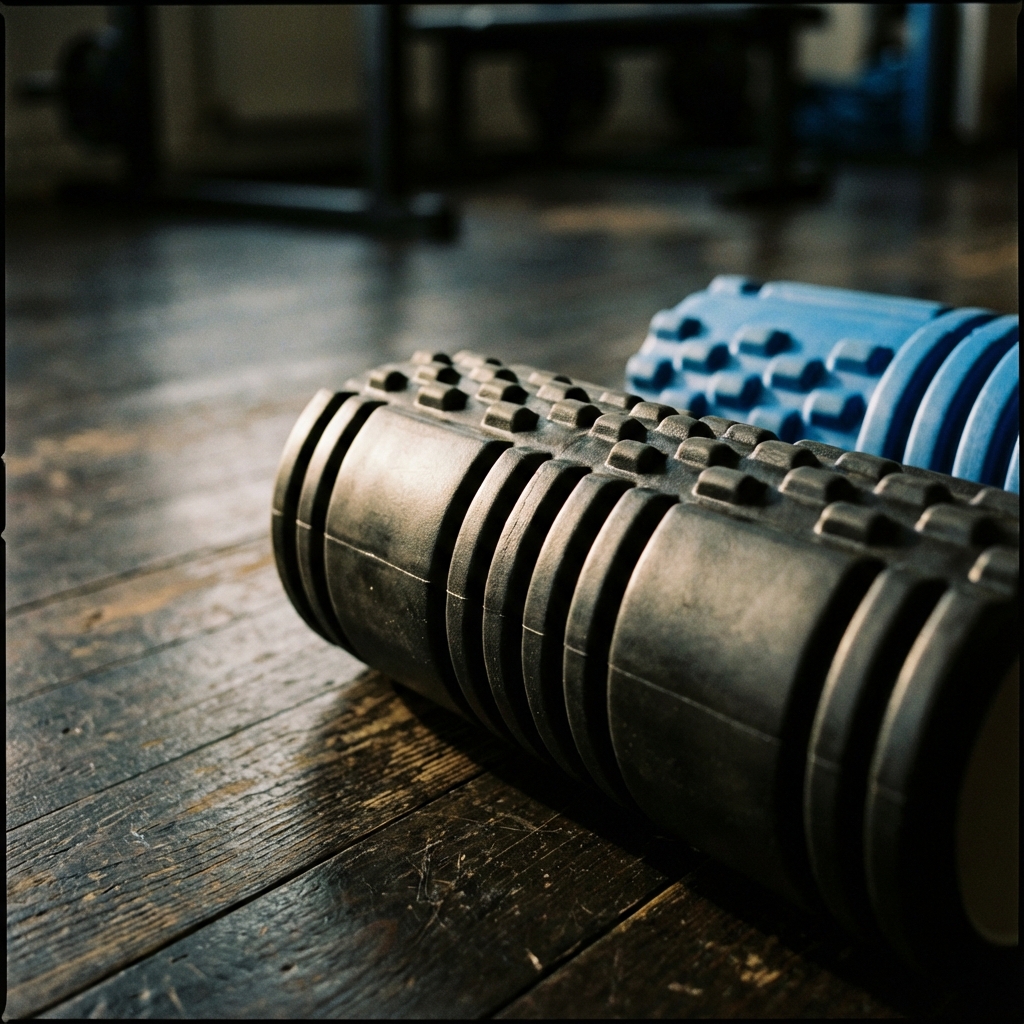
Best Foam Rollers & Recovery Tools UK 2026
Essential Recovery for Home Gyms
You don't need a sports massage therapist if you have the right tools. We tested the best foam rollers for daily maintenance and high-tech percussion massagers for deep tissue work. Recovery is just as important as the training itself.
Viavito 45cm EPP Foam Roller
- •Firm EPP foam holds shape
- •Length fits across back
Viavito 45cm EPP Foam Roller
- •Firm EPP foam holds shape
- •Length fits across back
Synca Kitta HM190 Percussive Massager
- •Deep muscle penetration
- •3 speeds / 6 heads
Quick Comparison
| Product | Price | Best For | Rating | Link |
|---|---|---|---|---|
| Viavito 45cm EPP Foam Roller | £10.00 | Best Value | 4.5/5 | Check Latest Price |
| UFC Tyre Mark Foam Roller | £19.99 | Best Roller | 4.8/5 | Check Latest Price |
| Synca Kitta HM190 Percussive Massager | £99.00 | Best Tech | 4.9/5 | Check Latest Price |
| Synca Quzy Wireless Neck Massager | £99.00 | Best Comfort | 4.7/5 | Check Latest Price |
1. Viavito 45cm EPP Foam Roller
Pros
- Firm EPP foam holds shape
- Length fits across back
- Lightweight
- Smooth surface (gentler)
Cons
- Can feel too hard for beginners
- Slippery on carpet
- No grid texture for deep knots
Our Review
Constructed from high-density EPP foam, this roller resists deformation even under heavy bodyweight. Its smooth surface provides consistent pressure for flushing large muscle groups like quads and lats without the aggressive bite of grid-style rollers.
2. UFC Tyre Mark Foam Roller
Pros
- Deep tissue texture
- Hollow core = super rigid
- Brand credibility
- Sweat resistant
Cons
- Aggressive/Painful for newbies
- More expensive than foam
- Can be noisy on hard floors
Our Review
The aggressive tread pattern on this UFC roller mimics the thumbs of a massage therapist, digging deeper into fascia than smooth alternatives. Best suited for experienced athletes who need targeted relief for stubborn trigger points in the calves or T-spine.
3. Synca Kitta HM190 Percussive Massager
Pros
- Deep muscle penetration
- 3 speeds / 6 heads
- Wireless/Portable
- Professional grade
Cons
- Premium price
- Heavy to hold for long
- Battery needs charging
Our Review
When foam rolling isn't enough, the Kitta goes deeper. This percussive gun delivers rapid pulses to release tension in hard-to-reach areas like the traps and glutes. It's like having a sports massage therapist in your gym bag, perfect for post-workout flushing.
4. Synca Quzy Wireless Neck and Shoulder Massager
Pros
- Hands-free operation
- Heated massage heads
- Soft cotton-feel fabric
- Wireless
Cons
- Not for deep tissue
- Specific body areas only
- Gentler than gun
Our Review
For relaxation rather than aggressive treatment, the Quzy wraps around your neck or lumbar spine to provide a heated kneading massage. It's the ideal tool for 'active recovery' days where you want to boost blood flow without the pain of deep tissue rolling.
Buying Guide: Recovery Tools
What to Look For
Density is Key: The color often indicates density.
White/Blue (Soft / PE): Good for beginners or sensitive areas, but deform quickly.
Black (Firm / EPP): The gold standard. Holds shape, provides firm pressure. Ideal for glutes/quads.
Hollow Core (Hard / PVC): For athletes needing deep trigger point release. Painful but effective.
Texture (Grid vs Smooth): Smooth rollers provide even pressure for flushing (lymphatic drainage). Grid/spiked rollers dig into specific knots (trigger points) but can be bruising. Start smooth.
Budget Guidance
Entry (£10-£15): Solid EPP foam. Simple, effective, indestructible.
Mid-Range (£25-£40): Branded hollow-core rollers (like TriggerPoint) or vibrating rollers.
Premium (£80+): Percussive massage guns (Theragun/Hypervolt/Synca). These provide 'active' recovery that passive rolling cannot match.
Common Mistakes to Avoid
Rolling the Lumbar Spine: Never roll your lower back. You can spasm the muscles or compress the kidneys/floating ribs. Stick to the upper back (thoracic), glutes, and legs.
Rolling Too Fast: Recovery is about relaxation. Rolling quickly excites the nervous system (bad for recovery). roll slooooowly (1 inch per second) and breathe deeply.
Frequently Asked Questions
When should I roll?
Pre-workout (briskly) to increase blood flow. Post-workout (slowly) to relax tension. Avoid rolling directly on an acute injury or bruise.
Is pain good?
Some discomfort is normal ('good pain'), but sharp, shooting pain means stop. You are likely on a nerve or bone. Ease off the pressure.
Gun or Roller?
Rollers are better for general maintenance and mobility. Guns are better for fixing specific tight spots or knots. Most athletes use rollers daily and guns weekly.
Can it replace massage?
It's a maintenance tool. It won't replace a sports massage therapist for deep issues, but daily use keeps tissue quality high between appointments.
Rolling the lower back?
Generally avoided. The lumbar spine has no rib protection. Use a <a href="/reviews/best-yoga-mats-uk-2026">yoga mat</a> for gentle twists instead to release back tension.
Can I travel with it?
Hollow core rollers can be stuffed with clothes to save suitcase space. Massage guns must go in carry-on luggage (lithium batteries).
How to clean?
A simple antibacterial wipe or soapy water cloth works for EPP/EVA foam. For hollow core rollers, you can rinse them in the shower.
Is it safe for kids?
Yes, foam rolling is safe for active kids, but ensure they don't use high-powered massage guns on their neck/spine.